


TL & DR;
Most Japanese enterprises secure active data for APPI regulatory requirements. But APPI compliance also applies to historical and inactive personal data stored in legacy systems, archives, and backups.
These records often lack ownership, controls, and auditability, making them high-risk under Japan’s privacy laws.
A dedicated archive centralizes and governs historical data, enabling purpose-based retention, quick DSAR responses, lower security risk, controlled data sharing, defensible deletion, and audit-ready proof of compliance.
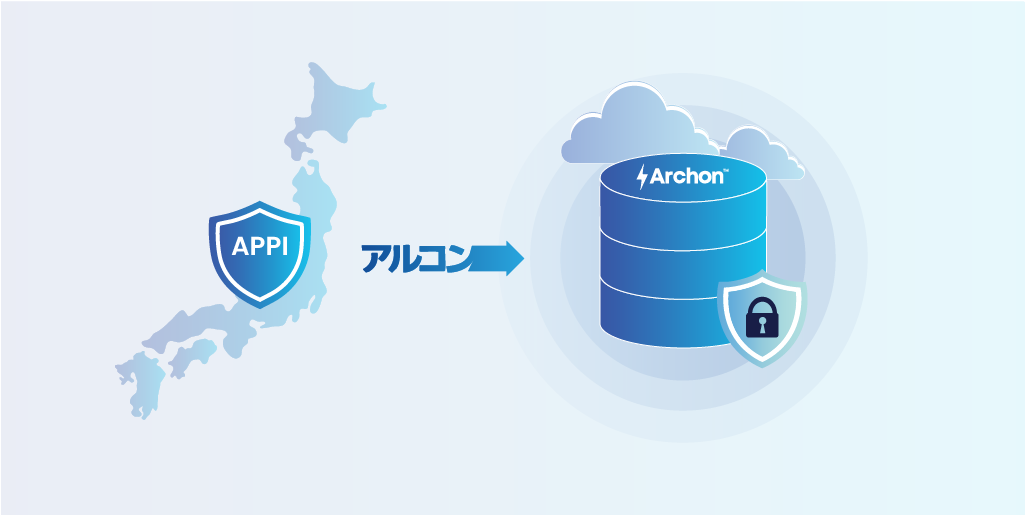
Archon serves as a dedicated, policy-driven archive that helps Japanese enterprises secure historical personal data, stay APPI-compliant, and confidently retire legacy systems without losing audit access.
Generally speaking, most Japanese enterprises are confident about how they protect active data. Firewalls are strong, access controls are tight, and compliance reviews are regular. But APPI compliance doesn’t stop at what’s currently in use.
Under the Japanese Act on the Protection of Personal Information (APPI), historical and inactive data still count.
That’s where things get tricky.
Legacy systems, archived databases, backups, and long-term retained records often sit outside modern governance. They’re rarely reviewed, loosely owned, and difficult to audit, making them one of the biggest blind spots under Japan’s privacy laws & regulations.
If APPI is the rulebook, historical data is where most enterprises unknowingly break the rules.
APPI Compliance: What Japanese Enterprise Leaders Need to Know
Japan’s APPI law, also referred to as the Personal Information Protection Act or privacy act for personal information, governs how enterprises collect, store, use, and delete personal data.
The goal is simple but strict: ensure personal data is handled transparently, securely, and only for legitimate purposes.
| APPI Goal | What It Means for Enterprises |
|---|---|
| Protect individual privacy | Prevent misuse, leakage, or over-retention of personal data |
| Ensure transparency | Clearly justify why data is collected and retained |
| Enforce accountability | Enterprises must prove compliance, not assume it |
| Enable data subject rights | Individuals can access, correct, or request deletion of data |
These goals apply equally to live systems and long-term data storage under APPI.
What Does APPI Say About Historical or Inactive Personal Data?
APPI applies to personal information regardless of data age. If data can identify an individual and is retained by the organization, it falls under APPI’s personal data protection requirements.
This means:
- Archived, inactive, and legacy data are still in scope
- Retained personal data must have a valid purpose
- Enterprises must be able to retrieve, protect, and delete it when required
Simply put, old data is not out of scope. It has to be retained to adhere to governance policies.
What Qualifies as Historical Records Under APPI?
Historical records include any personal data retained outside active production use, such as:
- Decommissioned application data (ERP, CRM, HR systems)
- Archived databases and data exports
- Long-term retained financial, tax, and labor records
- Backups containing identifiable personal data
Under APPI compliance for data storage, all of these must be governed, secured, and auditable.
Why Are Historical Records a Higher Compliance Risk Than Active Data?
Historical data carries disproportionate risk because it slowly escapes governance.
1. Lack of Ownership and Governance Over Time
System owners change, documentation disappears, and responsibility becomes unclear.
2. Weak Access Controls and Outdated Security Models
Legacy platforms weren’t designed for modern data security in APPI requirements like role-based access or continuous logging.
3. Slow Response to Data Subject Requests
If data lives in multiple legacy systems, it takes longer to locate and act on access or deletion requests, increasing the chance of non-compliance.
4. Increased Exposure During Audits and Investigations
Regulators expect proof. If you can’t explain why data exists or who accesses it, regulators assume this as non-compliance, even if no breach has occurred.
Does APPI Require Enterprises to Delete Historical Personal Data?
Not immediately, but eventually, yes.
APPI balances retention vs necessity:
- Data may be retained for legal, contractual, or regulatory reasons
- Once that purpose expires, defensible deletion is expected
Defensible deletion matters. Deleting data isn’t enough; you must prove when, why, and how it was deleted. This reduces risk through data minimization, a core APPI principle.
Why Is a Dedicated Archive Crucial for APPI Compliance?
A dedicated archive is crucial for APPI compliance because it brings historical personal data under the same control, security, and governance as active systems.
Instead of leaving historical records scattered across retired applications, backups, and file stores, a dedicated archive centralizes this data, making APPI compliance enforceable and audit-ready.

1. Purpose Limitation for Historical Data
A dedicated archiving solution retains historical data only for clearly documented business or legal purposes, helping eliminate over-retention and unjustified data accumulation.
2. Implement Data Subject Rights (Access, Correction, Deletion)
By centralizing inactive and legacy data, an archive makes personal information searchable and retrievable, enabling timely fulfillment of APPI access and deletion requests.
3. Reducing Breach Risk and Improving Incident Response
An archive reduces exposure by removing personal data from vulnerable legacy systems. It also centralizes security controls, simplifying breach detection and reporting.
4. Accountable Data Sharing and Transfer Control
Controlled access and clear governance within a dedicated archive support APPI requirements for third-party sharing and cross-border transfers with traceable accountability.
5. Minimizing Penalties Through Strong Data Governance
As APPI enforcement increases, a dedicated archive helps reduce penalties by keeping historical personal data governed, auditable, and retained. It enables defensible deletion and clear compliance evidence, minimizing the risk of violations and regulatory action.
6. Auditability & Accountability
A dedicated archive provides audit trails, access logs, and retention evidence, so enterprises can prove APPI compliance with confidence.
When Should a Japanese Enterprise Implement a Dedicated Archive?
A dedicated archive becomes essential when historical personal data starts to hinder transformation or increase compliance risk.
- During system modernization or cloud migration: When moving away from legacy ERP or HR systems, enterprises often cannot migrate decades of personal data. A dedicated archive allows systems to be modernized while retaining required records securely under APPI.
- When your legacy data volumes grow unchecked: Large organizations accumulate years of employee, customer, and transaction data across retired systems. Archiving consolidates this data, reducing sprawl and governance gaps.
- As audit and regulatory scrutiny increases: Frequent audits or PPC inquiries demand clear proof of retention, access, and purpose. A dedicated archive provides audit-ready evidence for historical data.
- When data subject requests become slow and manual: Locating personal data across backups and old systems delays access or deletion requests. A dedicated archive enables faster, more reliable responses.
- Breaches from Legacy Systems: Several high-profile incidents in Japan have originated from outdated or retired systems with weak controls. Reinforcing that historical personal data must be secured and compliant.
These are all indicators that long-term data storage needs a structure to meet APPI regulatory requirements.
What Are the Benefits of Archiving Beyond Compliance?
While APPI compliance is the trigger, archiving benefits extend far beyond regulation.
✅ Reduced maintenance costs: Shutting down legacy ERP, CRM, or HR systems lowers licensing, infrastructure, and support expenses.
✅ Improved system performance: Offloading historical data speeds up reporting, daily operations, and system upgrades.
✅ Simpler application decommissioning: Archived data allows safe retirement of old systems without losing regulatory or business access.
✅ Lower regulatory risk: Centralized, controlled archives reduce audit exposure, enforce retention, and enable defensible deletion.
In short, archiving turns compliance into operational efficiency.
How Archon Data Store Supports APPI Compliance for Japanese Enterprises
Archon helps Japanese enterprises meet APPI requirements by bringing structure, security, and accountability to historical data. By governing active and inactive personal data across its full lifecycle, Archon enables compliant retention, secure deletion, audit readiness, and confident system decommissioning.
Built for APPI’s Full Data Lifecycle Requirements
- Supports compliance across active, inactive, and historical data
- Treats archived data as Retained Personal Data under APPI
- Aligns with purpose limitation, retention, and secure disposal principles
Policy-Driven Retention and Defensible Deletion
- Configurable retention policies aligned with legal and business needs
- Automated enforcement prevents over-retention
- Secure, auditable deletion once data is no longer required
Strong Access Controls and Audit Readiness
- Role-based access to archived personal data
- Detailed audit trails for every access and action
- Simplifies responses to PPC audits and internal reviews
Secure Preservation of Historical Records
- Encryption and integrity controls protect archived data
- Tamper-resistant storage ensures long-term authenticity
- Reduces breach exposure from legacy systems
Fast Search and Retrieval for Data Subject Requests
- Efficient discovery across archived sources
- Supports access, correction, and deletion requests
- Minimizes operational effort during compliance inquiries
Enables Compliant Application Decommissioning
- Retire legacy systems without losing regulatory access
- Avoid ongoing compliance risks from outdated platforms
- Lower infrastructure, licensing, and maintenance costs
APPI Compliance Is a Data Lifecycle Commitment
The Act on the Protection of Personal Information (APPI) is a long-term responsibility. Historical records represent the largest, least visible risk under Japan’s privacy laws & regulations, at the same time the greatest opportunity for improvement.
A dedicated archive ensures APPI’s personal data protection doesn’t stop at active systems. It extends governance, security, and accountability across the entire data lifecycle, where compliance truly lives.
Ready for APPI Audits? Talk to Archon experts to see how a dedicated archive simplifies APPI compliance.


